15th May, 2026
Freetown-Kissy Road
www.slrsa.gov.sl
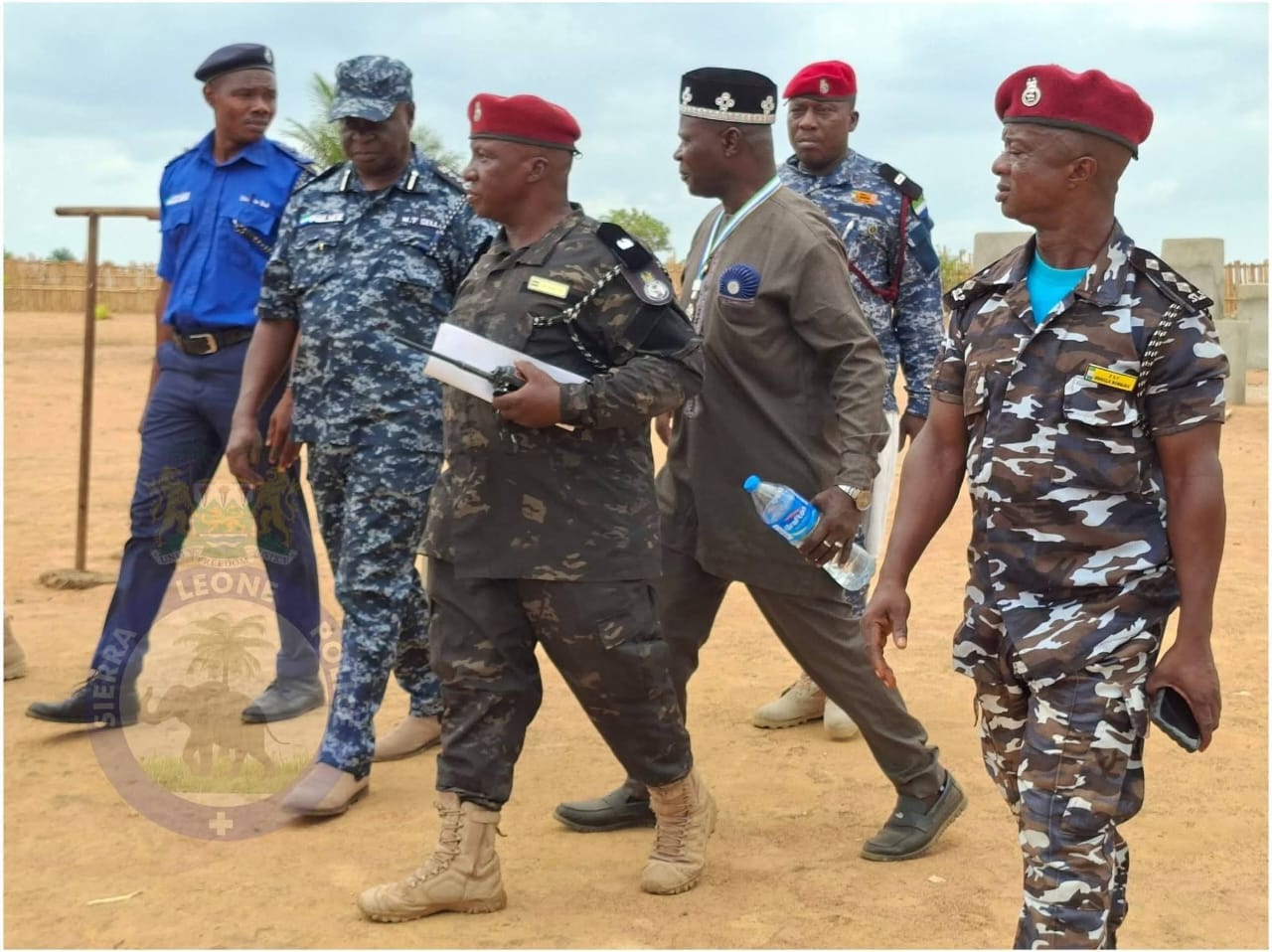
The Sierra Leone Road Safety Authority on Thursday convened a high-level stakeholders’ engagement in Port Loko City to popularize the African Road Safety Charter and strengthen nationwide awareness on road safety responsibilities. The engagement, held at the Education Hall in Port Loko City, brought together key stakeholders from across the North-West Region.
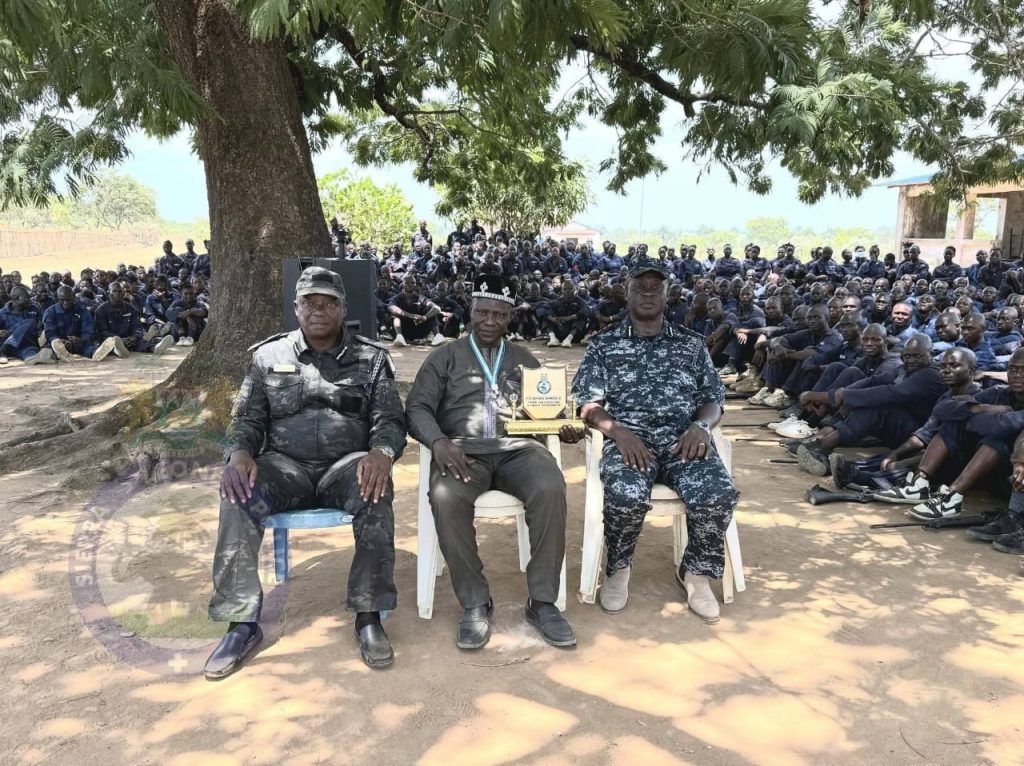
The event formed part of activities commemorating the Global Road Safety Week under the theme: “Accelerating Road Safety Action Through the African Road Safety Charter.”
Sierra Leone formally ratified the African Road Safety Charter in July 2025 and deposited the instrument of ratification at the African Union Commission in September 2025, becoming the 14th African Union member state to do so. The Charter serves as a continental legal and policy framework aimed at reducing road crashes, fatalities, and injuries across Africa through stronger enforcement, safer infrastructure, improved emergency response systems, and enhanced road safety coordination.
In his welcome address, the Mayor of Port Loko City, Ali Badara Tarawallie, commended the leadership and management of SLRSA for organizing what he described as an important educative engagement for the people of the North-West Region. He praised the visible transformation within the Authority and its commitment to improving accountability and service delivery nationwide. Reflecting on his previous experience working with the Authority, the Mayor noted that significant progress had been made over the years in strengthening road safety administration in Sierra Leone.
Delivering the Chairperson’s remarks, the Director of Human Resources and Administration at SLRSA, Mrs. Mariama Masuba, stated that the engagement was intended to deepen public awareness of the African Road Safety Charter as part of the observance of Global Road Safety Week. She explained that Sierra Leone considered it necessary to commemorate the occasion in order to sensitize citizens on the importance of the Charter and the collective role required in promoting road safety.
Mrs. Masuba outlined the core responsibilities of SLRSA, including the issuance of driver’s and vehicle licences, conducting vehicle fitness test, and ensuring safer roads across the country. She stressed that road safety remains a shared responsibility that requires the active participation of all road users and institutions. She further disclosed that one of the earliest initiatives undertaken by Executive Director James Bagie Bio upon assuming office was to strengthen institutional collaboration between SLRSA and the Sierra Leone Police in order to improve nationwide road safety enforcement.
Speaking on behalf of the Government, the Resident Minister for the North-West Region, Umaru Bon Wurie, underscored the importance of the engagement and applauded the leadership of Executive Director James Bagie Bio. He described Bio as one of the country’s young leaders demonstrating exemplary and visionary leadership in public service.
The Resident Minister also noted that Sierra Leone’s driver’s licence continues to enjoy broad international recognition and acceptance, encouraging the Authority to sustain its reform agenda and continue improving standards within the transport sector.
Also addressing the gathering, the Paramount Chief of Marampa Chiefdom, Bai Koblo Queen II, emphasized that ensuring road safety is a collective national responsibility that demands the involvement of all citizens and institutions. He called on the Authority to deploy more tow-trucks along major highways to promptly remove broken-down vehicles, noting that abandoned and stationary vehicles continue to contribute significantly to road crashes across the country.
Delivering the keynote address, the Executive Director of Sierra Leone Road Safety Authority, James Bagie Bio, reaffirmed the Authority’s mandate as the lead institution coordinating road safety activities in Sierra Leone. He highlighted the significance of the African Road Safety Charter, describing it as a critical legal and policy instrument that provides African countries with a framework for improving road infrastructure, strengthening traffic law enforcement, promoting safer vehicles, and enhancing emergency response systems.
The ED stated that the Charter commits member states to reducing road traffic crashes and fatalities by 50 percent, emphasizing that nationwide stakeholder engagements are essential in achieving that objective. He described the engagement as part of broader efforts to popularize the Charter across Sierra Leone and foster collective ownership of road safety initiatives.
According to the Executive Director, one of his first official actions after assuming office was the signing of a Memorandum of Understanding with the Sierra Leone Police to strengthen collaboration in road safety enforcement and public awareness. He added that similar partnerships have also been established with other institutions, including the Sierra Leone Standards Bureau and the Sierra Leone Red Cross Society.
Mr. Bio further disclosed that from January 2025 to date, Sierra Leone has recorded more than 2,000 road crashes, with over 68 percent involving commercial motorbikes. He therefore urged both riders and drivers to exercise greater caution on the roads and encouraged commercial bike riders and passengers to wear helmets consistently.
The Executive Director also revealed that SLRSA has intensified enforcement actions against operators of unroadworthy heavy-duty vehicles, making it mandatory for such vehicles to undergo fitness test before licensing or renewal. He stressed that every road crash carries severe economic and social consequences, often resulting in the loss of lives and livelihoods.
He concluded by calling on traffic law enforcement officers in the North-West Region to closely monitor overloaded vehicles and reaffirmed that road safety awareness campaigns must extend beyond Freetown to every district in Sierra Leone.
“Road safety is everybody’s business,” Mr. Bio emphasized.
©️ SLRSA Communications & Outreach
Public Relations Unit
About the Author