
HOW MOHAMED FUAAD DABOH IS REBUILDING TRUST IN SIERRA LEONE
For years, conversations about pensions and social security in Sierra Leone were often dominated by frustration, delays, and uncertainty. Many workers approached retirement with anxiety, unsure whether the system designed to protect them would truly deliver when they needed it most.
Today, however, a different narrative is steadily emerging around the National Social Security and Insurance Trust (NASSIT). Across the country, pensioners, employers, and public officials are increasingly speaking of an institution undergoing visible transformation, one that is restoring confidence in social protection and redefining public service delivery.
At the heart of this change are the voices of ordinary beneficiaries whose experiences now reflect growing efficiency and professionalism within the scheme.
“The pension scheme acts as a support system for my family,” says pensioner Abubakarr Kamara, widely known as Big Abu. His statement reflects the reality for thousands of retirees who depend on NASSIT benefits not merely as monthly payments, but as lifelines that sustain households and preserve dignity after years of national service.
For many retirees, customer experience has become one of the clearest indicators of institutional reform. Dorcas During, another pensioner, describes her experience in simple but powerful terms: “NASSIT has a very professional customer service department.”
Such testimonials signal more than satisfaction; they point to an evolving institutional culture increasingly focused on responsiveness, accountability, and public trust.
Perhaps even more significant is the growing confidence in transparency and timeliness, two issues that historically generated widespread public criticism. Pensioner Almamy Bangura notes that “Pensions are paid on time and the process is very transparent,” while Martha Momoh praises “a fair process to the point where we receive every entitlement.”
These statements represent a critical shift in public perception. In a country where many public institutions continue to struggle with service delivery challenges, confidence in pension administration is becoming a notable achievement.
Government officials have also acknowledged the scheme’s growing national relevance. Mohamed Rahman Swarray, Sierra Leone’s Minister of Employment, Labour and Social Security, describes NASSIT as “the beacon of hope to all employees upon the occurrence of any of the prescribed contingencies.”
That phrase “beacon of hope” captures the broader transformation many observers now associate with the institution. Beyond pension payments, NASSIT increasingly represents financial security, continuity, and stability for workers navigating uncertain economic conditions.
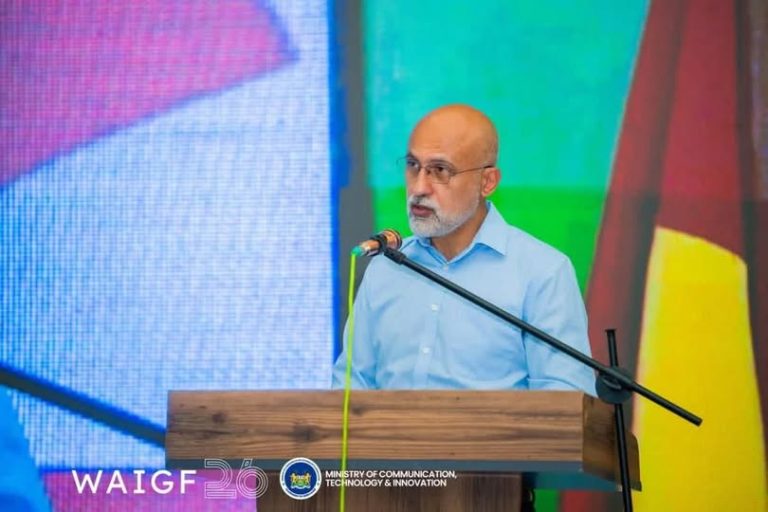
Under the leadership of Director General Mohamed Fuaad Daboh, the institution has intensified efforts to modernize operations, improve compliance, expand outreach, and strengthen public accountability. Daboh has repeatedly emphasized that “NASSIT will continue to be the centre of excellence, strongly believing in the core values of transparency and accountability.”
This vision appears to align closely with the institution’s official mission: “To administer a social security scheme that provides financial security to all employees in Sierra Leone.”
Public interest in the scheme is also growing. Observers note that NASSIT has evolved into “a household name in Sierra Leone,” with increasing numbers of workers and institutions recognizing the importance of long-term social security protection.
The institution’s progress carries significance beyond administrative success. In a country where economic vulnerability remains a daily reality for many citizens, an effective social security system can become a stabilizing national asset, protecting families from extreme hardship after retirement, disability, or loss of income.
NASSIT’s ongoing transformation therefore represents more than institutional reform; it is a story about rebuilding public confidence in governance itself. Each timely pension payment, each transparent process, and each satisfied beneficiary strengthens the belief that public institutions can still work effectively for ordinary citizens.
As Sierra Leone continues its broader development journey, NASSIT’s emerging reputation offers an important lesson: meaningful change within public institutions is possible when leadership, accountability, and service delivery converge around the needs of the people.
About the Author