By Shannon A. L. Scott
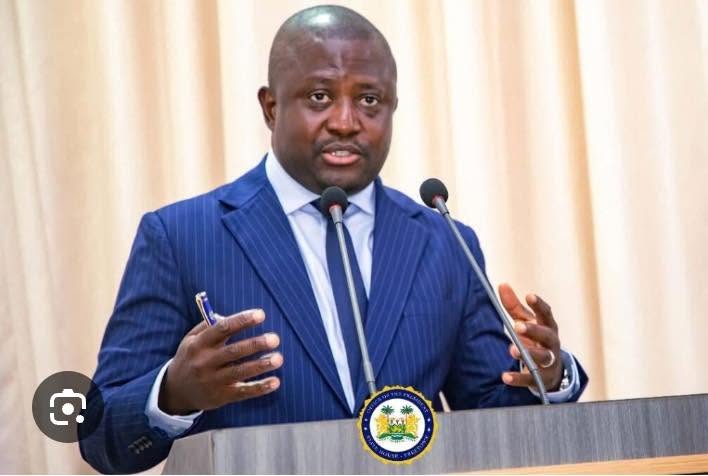
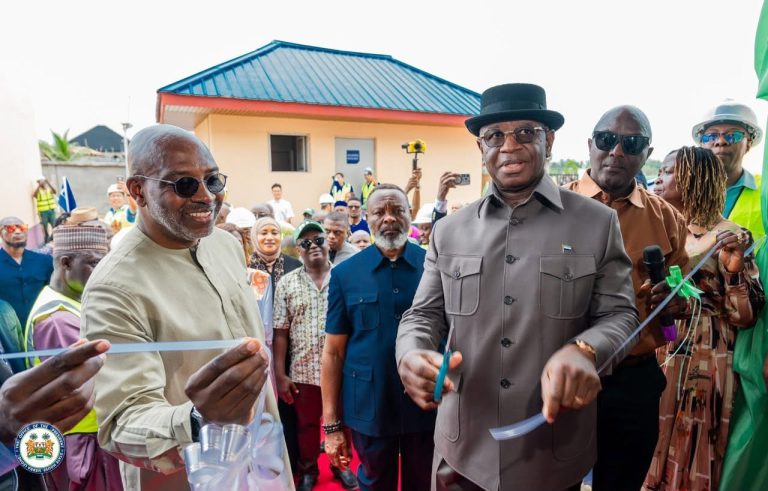
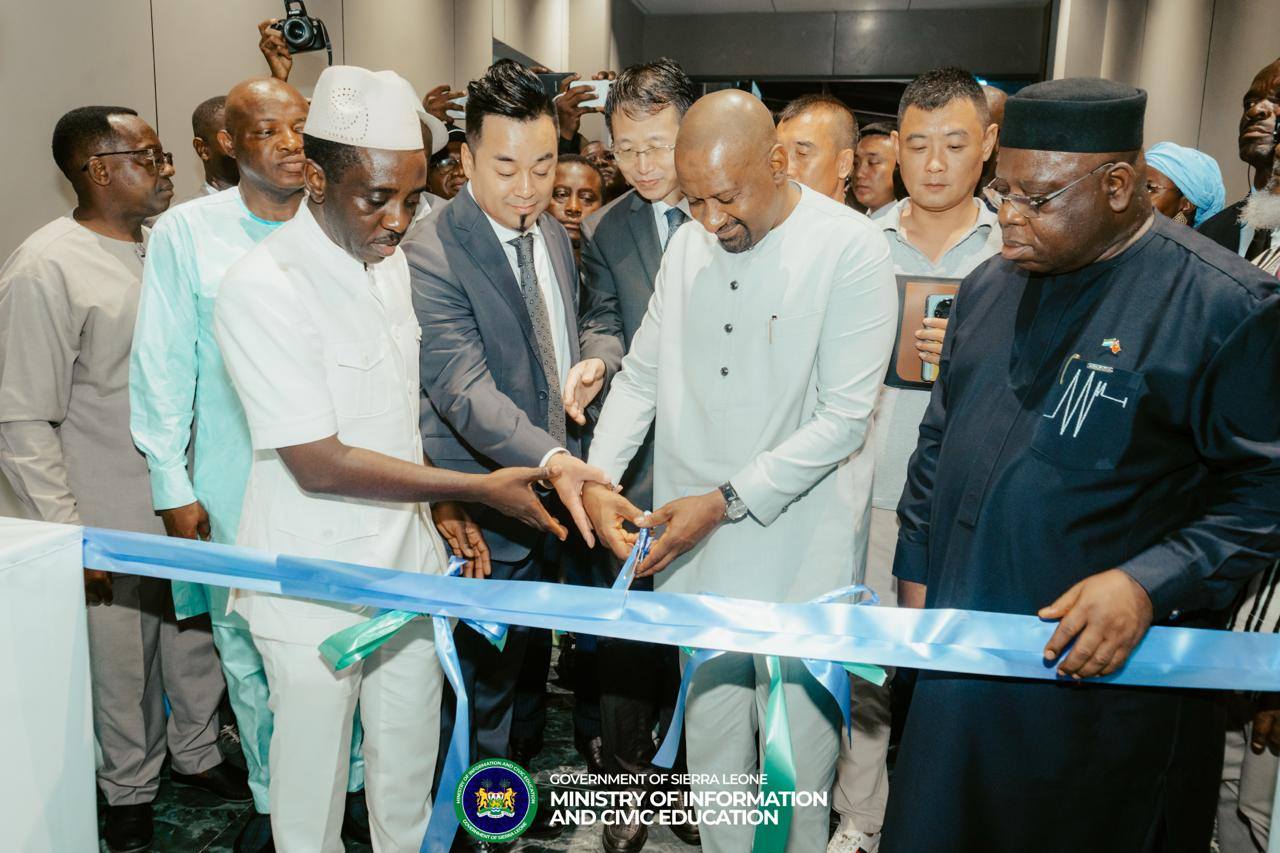
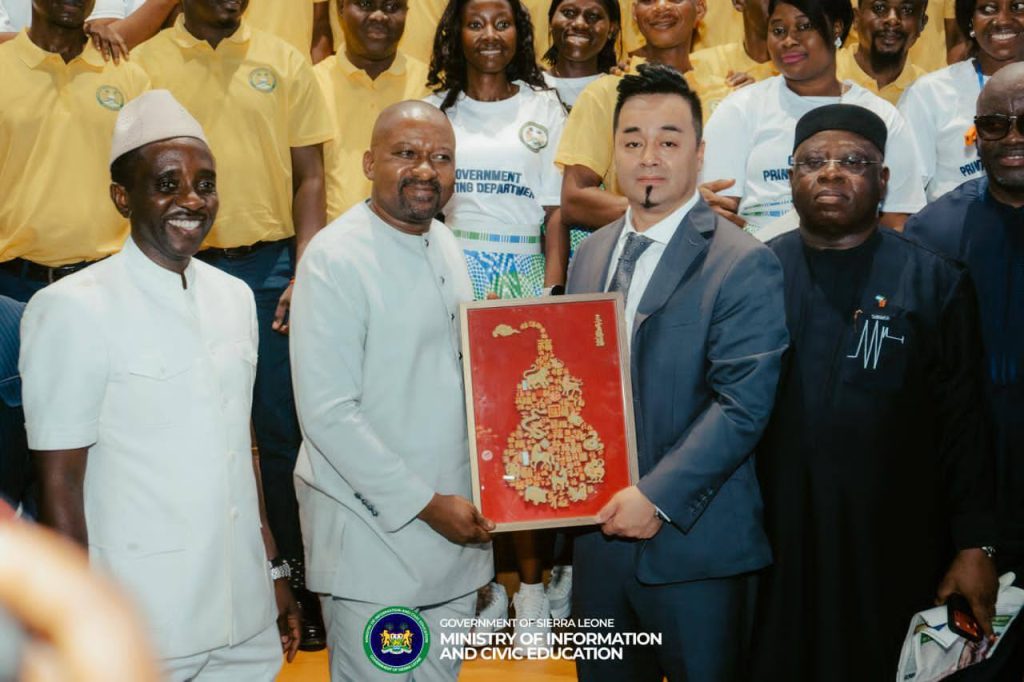
Vice President of the Republic of Sierra Leone, Dr. Mohamed Juldeh Jalloh has on Friday 29th May 2026 oficially re-opened the newly transformed Government Printing Department at New England Ville, Freetown.
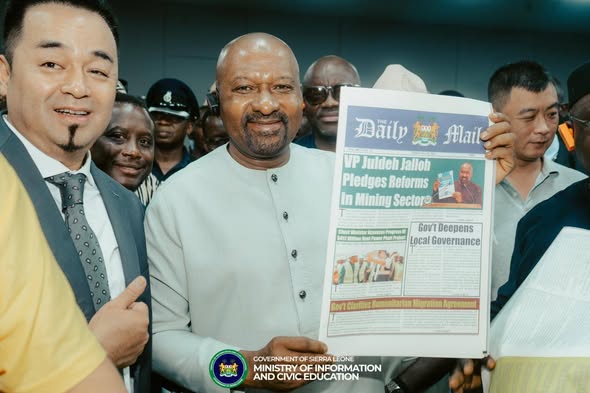
The re-opening followed after a major modernisation project aimed at repositioning the institution as a modern, revenue-generating,and technologically advanced national enterprise.
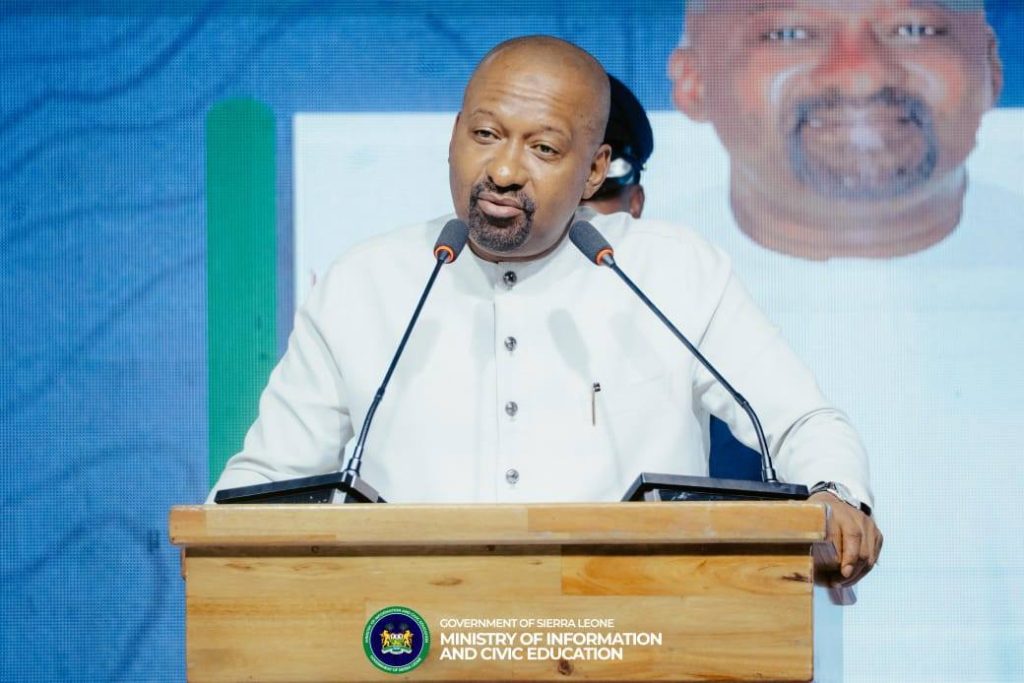
In his kenote address, VP Juldeh Jalloh said the Government Printing Department had for many years suffered from underinvestment, outdated machinery, and deteriorating infrastructure, forcing the country to depend heavily on foreign printing services for sensitive national documents.
“For many years, this institution stood as a reminder of great national potential weakened by years of neglect and limited investment,” the Vice President stated. “Our mission is not one of dependency. It is a mission of productivity, ambition, and self-reliance.”
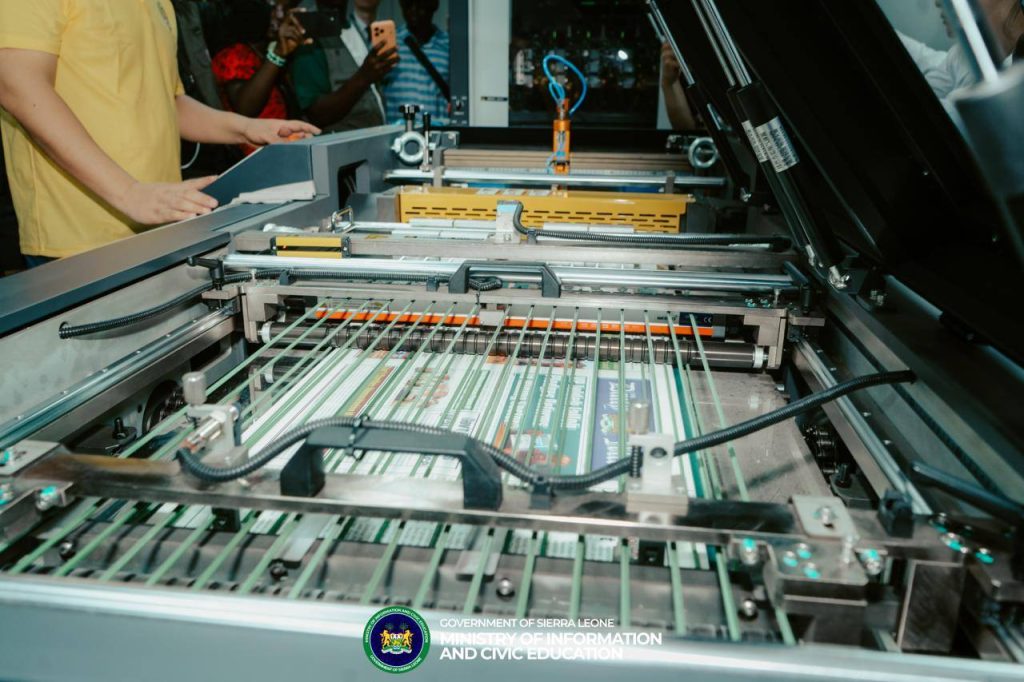
He noted that the newly modernised facility now possesses the capacity to produce high-quality textbooks, examination materials, government gazettes, certificates, newspapers, and other official documents in line with international standards.
According to Vice President, the transformation was achieved through an international partnership that has already attracted investments exceeding US$2 million, with additional investments expected over the coming years.
He said the project aligns with government’s broader economic diversification agenda aimed at strengthening productive sectors capable of supporting national development and generating employment opportunities.
“This project modernises a key national institution, strengthens national self-reliance, protects the integrity of sensitive national documents, creates jobs, and contributes to national resilience,” he added.
The Vice President further commended the Ministry of Information and Civic Education and all stakeholders who contributed to the successful completion of the project.
Minister of Information and Civic Education, Chernor Bah, described the reopening as the rebirth of a historic national institution with enormous potential for industrial growth and innovation.
Bah explained that government undertook extensive international engagements in search of investors and strategic partners capable of transforming the institution into a modern printing facility.
“We travelled across the world speaking with investors in Eastern Europe, Turkey, China, Canada, and other countries,” he said. “There were setbacks and challenges, but we remained committed to finding a solution.”
The Minister disclosed that the modernisation project was implemented under a joint venture arrangement in which the Government of Sierra Leone retains a 30 percent stake while international partners hold 70 percent.He stressed that one of government’s key priorities during negotiations was the protection of staff and the development of local expertise.
“We insisted that this project must protect workers and prioritise skills transfer for Sierra Leoneans,” Bah stated. “This is not simply about bringing in foreign expertise; it is about building sustainable local capacity.”
Government Printer Salifu L. Suma reflected on the long and historic journey of the institution, describing it as one of Sierra Leone’s oldest public service establishments. He said the department played a central role in producing government publications, examination papers, certificates, official gazettes, and public records over several decades.
“Generations of Sierra Leonean printers, technicians, and administrators passed through this institution with dedication and pride,” Mr. Suma noted.
He however acknowledged that the institution experienced years of decline due to aging equipment, limited funding, and technological challenges that severely affected operations.“Frequent machine breakdowns became part of our daily reality while the rest of the world advanced technologically,” he said.
He praised the resilience and dedication of staff members who continued operating under difficult conditions while awaiting support and investment.
He said the modernisation project has now introduced advanced printing technology, upgraded systems, industrial equipment, and new opportunities for professional training and development.
According to him, the transformed institution is now positioned not only to meet national printing demands efficiently but also to compete within the Mano River Union and broader West African markets.
The newly modernised Government Printing Department is expected to improve efficiency in government printing services, reduce dependence on foreign printing contracts, strengthen document security, create jobs, and contribute to Sierra Leone’s industrial and economic development agenda.
About the Author