The Ministry of Agriculture and Food Security, in collaboration with the Livestock and Livelihoods Development Project, on 10th April 2026 at the Kenema Dustrict Council Hall extended its Regional Stakeholders Workshop to the Eastern Region.
The engagement is aimed at bringing stakeholders together to support the selection of chiefdoms and form clusters and cluster communities.
The engagement is to also encourage them to serve as ambassadors of the project so as to create awareness about its goal and objectives.
The project is a key enabler in achieving the ‘Feed Salone’ initiative under the Ministry of Agriculture and Food Security to address long-standing challenges in Sierra Leone’s livestock sector, which will boost livestock production and productivity, improve veterinary services, strengthen markets, agribusinesses, expand credit facilities, promote policy dialogue to build a resilient and inclusive livestock sector.
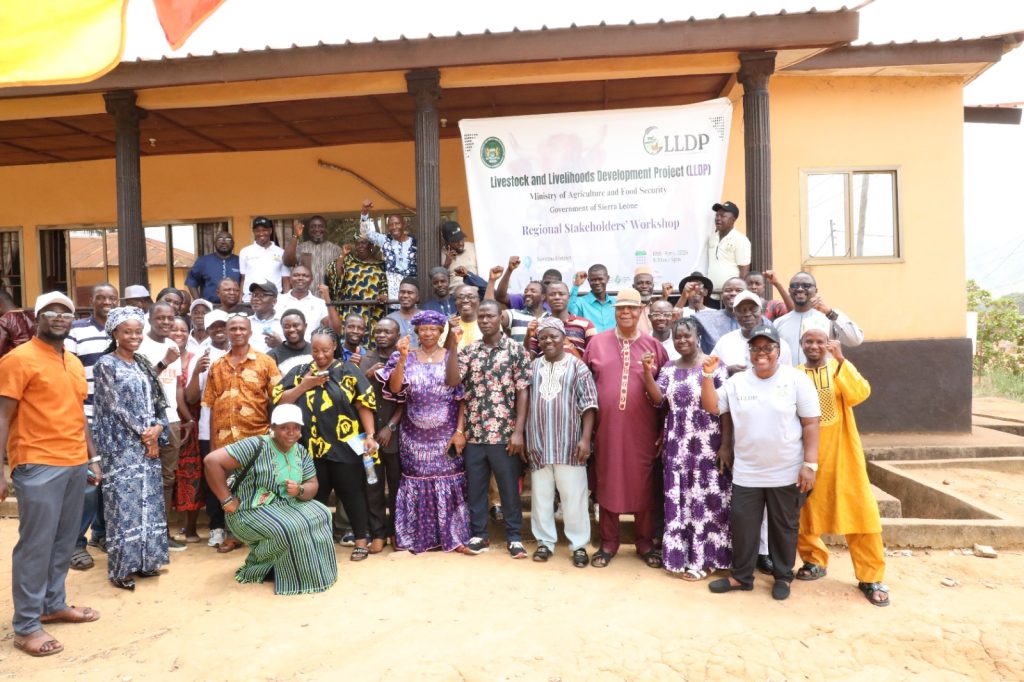
The overall objective of the stakeholder’s engagement is to promote community engagement and initiate discussion on the cluster formation to enhance transparency and stakeholder’s involvement.
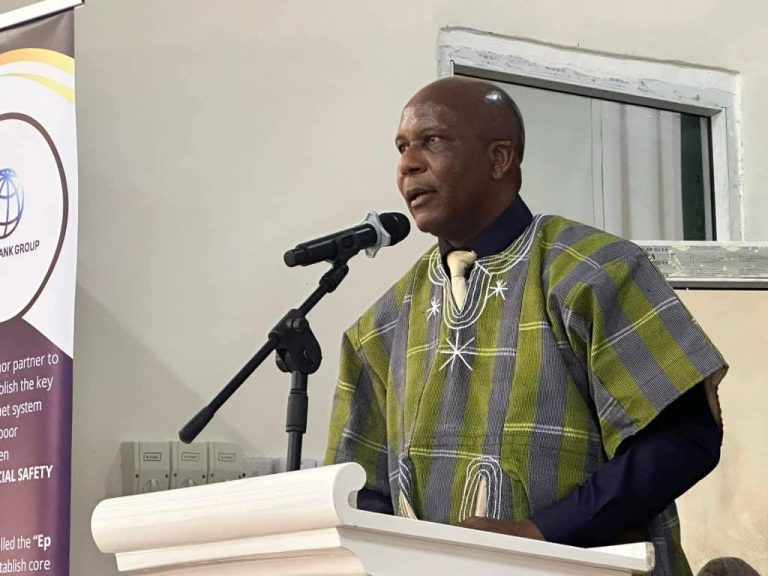
On behalf of the Minister of Agriculture and Food Security, the Director of Livestock and Veterinary Services, Mr. Saidu Bamayange, welcomed stakeholders and highlighted that the project is the first of its kind to tackle livestock challenges, urging local leaders to take ownership and benefit from its opportunities.
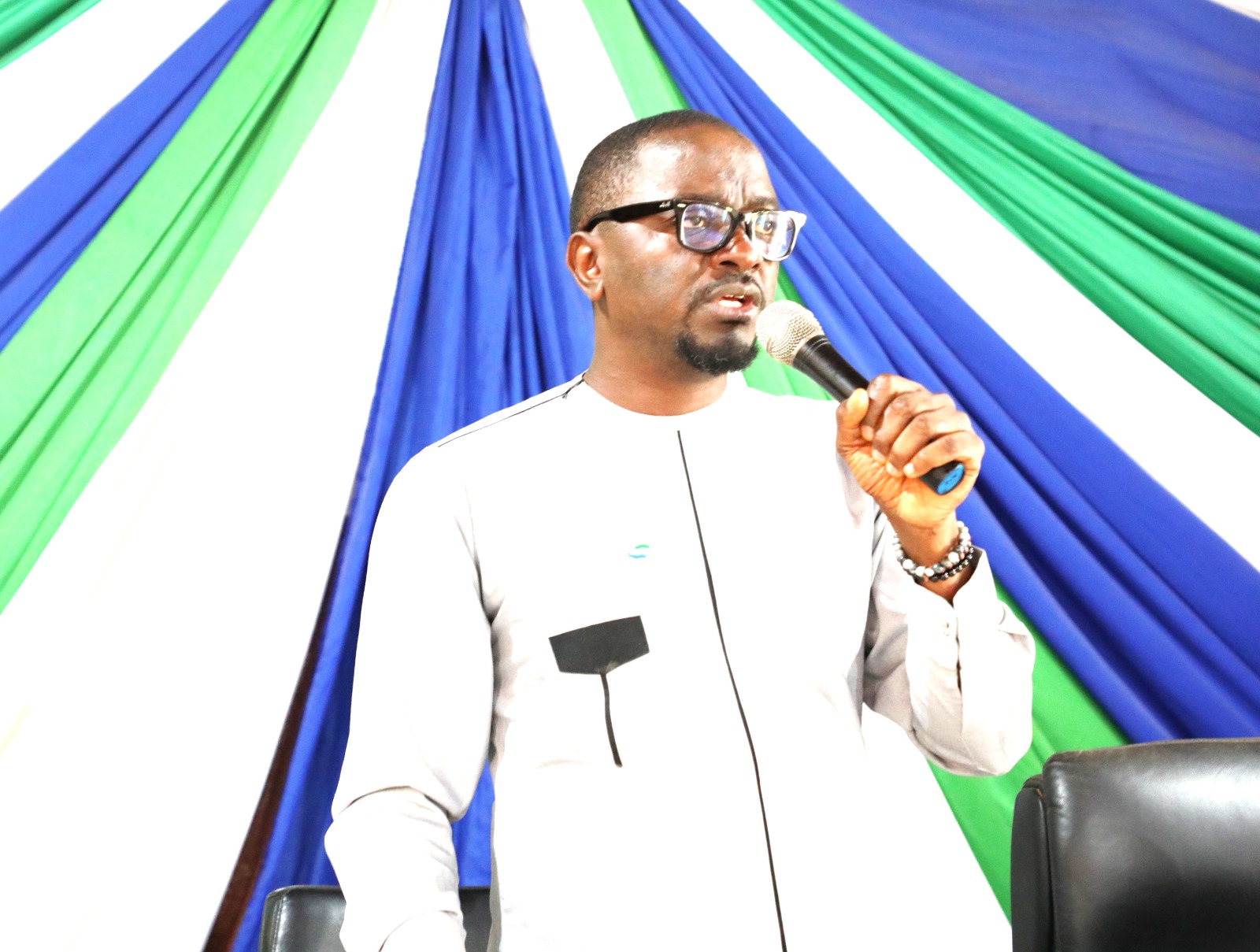
Presenting on behalf of the project, Mr. Tejan Koroma, the Project Coordinator of the LLDP, provided a brief overview of the project that it aims to contribute to poverty reduction, food security and nutrition of rural households and create employment opportunities for rural women and youth in Sierra Leone.
Mr. Koroma noted that the project will target 11 districts across the country, representing- concentration of smallholder livestock farmers; poverty level and vulnerability; weak veterinary and extension services; market potentials and value chains linkages; and existing donor footprints and complementarity.
He encouraged stakeholders to actively involve young people and urged all participants to take ownership of the project to ensure its success.
Mr. Koroma emphasized that the value chains are small ruminants (goats and sheep), poultry, and cattle.
The Livestock project is jointly funded by the GoSL, IFAD, IsDB, and the OPEC Fund for International Development.
LLDP is expected to benefit over 373,000 households across eleven operational districts, targeting 40% women, 30% youth, and 5% persons with disabilities. LLDP is aligned with the MTNDP 2024–2030 and Feed Salone Programme, which is aimed at supporting economic diversification, job creation, gender inclusion, and climate resilience, which contribute to poverty reduction and national food self-sufficiency.
The workshop brought together stakeholders from diverse sectors and backgrounds across the Eastern Region.
About the Author