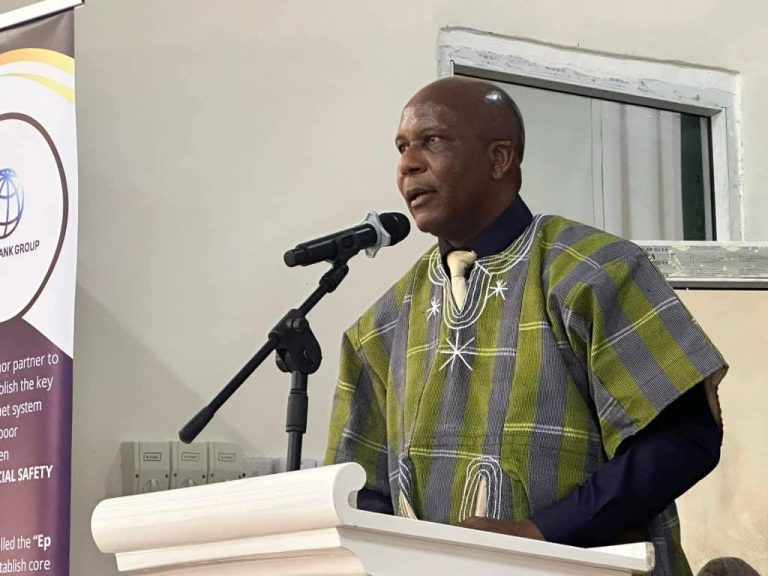
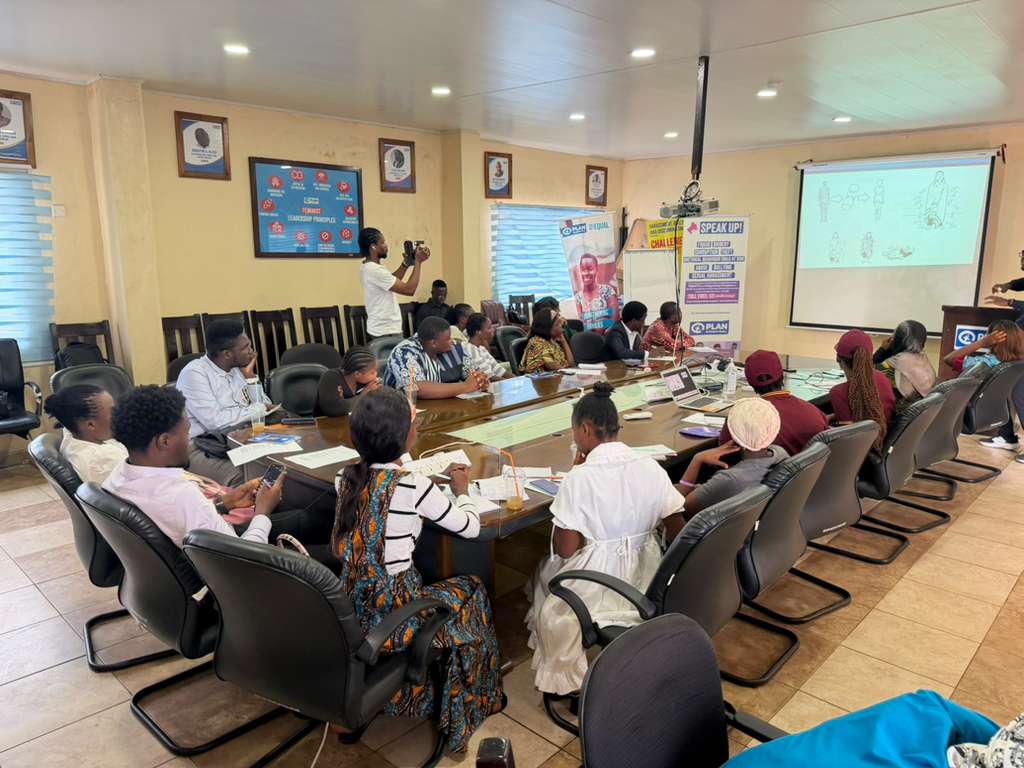
Life Bridge Pharmacy, in collaboration with Plan International and other partners, has conducted a free workshop on sexually transmitted infections (STIs) for over fifty young girls and boys drawn from various colleges and communities.
The workshop aimed to raise awareness about STIs, their causes, and prevention methods.
The event was held at the Plan International Conference Room in Freetown.
Speaking at the event, Fatu Esther Jusu, the Project Lead and an advocate with over five years of experience, stated that the workshop forms part of activities marking the upcoming STI Awareness Week.
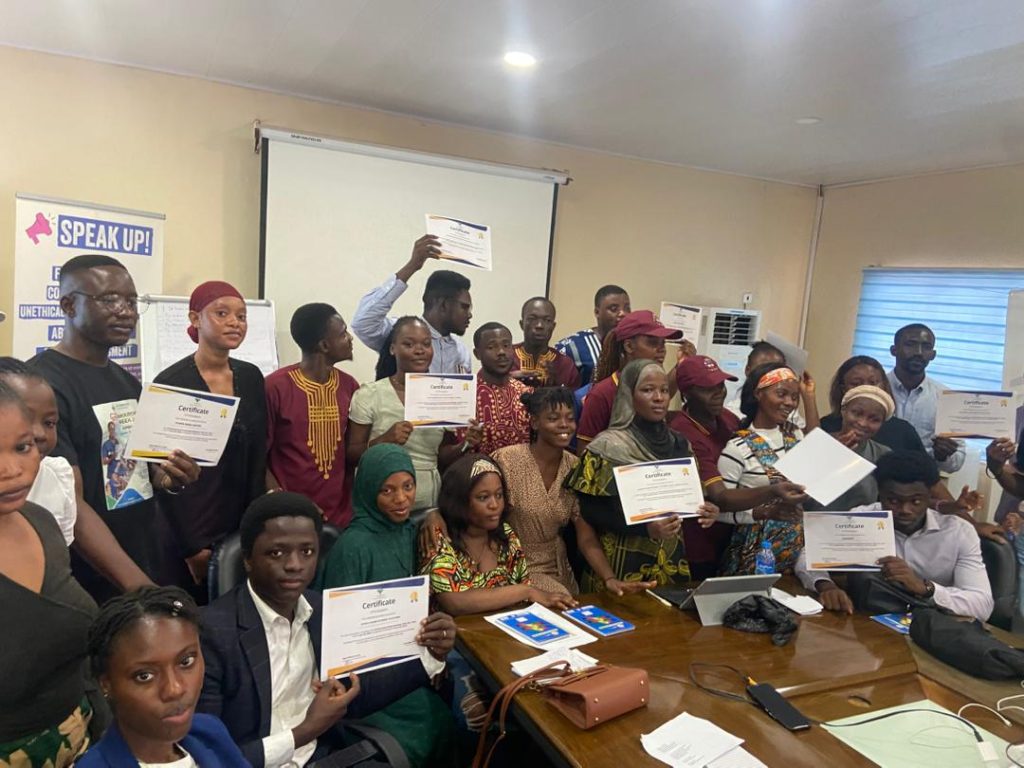
She noted that the initiative is designed to educate young people and serve as an eye-opener on the dangers and prevention of sexually transmitted infections.
She emphasized that one of the most effective ways to disseminate information is by engaging young people directly and equipping them with knowledge they can, in turn, share with their peers who were unable to attend the workshop.
“Over the years, we have observed that young people are the most affected by STIs, largely due to a lack of awareness and knowledge.
That is why Life Bridge Pharmacy, together with Plan International and other organizations, has organized this life-changing awareness workshop,” she said.
She further stressed that STIs, especially HIV/AIDS, remain a serious concern and are rapidly spreading among sexually active young people due to limited awareness.
She added that increasing public education would help curb the spread of these infections.
Fatu Esther Jusu also informed participants that free screening services will be conducted next week, providing attendees and others the opportunity to know their status and receive guidance from trained and qualified medical professionals.
Also speaking at the event, Denis Conteh, one of the facilitators, explained that the initiative brought together young people from different institutions to educate them on various infections, how they are transmitted, and how they can be prevented.
He noted that sexually transmitted infections are often difficult topics for many people to discuss openly, particularly parents, despite their responsibility to provide sexual health education to their children.
“That is why we have taken this bold step to educate young people, as these infections are rapidly increasing, particularly among them,” he said.
He added that participants were selected from different communities and universities to benefit from the training and cascade the knowledge to others within their schools and communities.
“After today, I am confident that participants will have a better understanding of STIs, how to prevent infection, and the steps to take if infected in order to avoid spreading it to others,” he added.
One of the beneficiaries, Kadija Jalloh, expressed gratitude for being part of the training. She said that prior to the workshop, she had heard about STIs but did not fully understand what they were or how they function.
“Today, I can proudly say that I not only understand STIs but can also educate others,” she said.
She added that the training has been an eye-opener and will help participants make informed decisions and take control of their health.
“I am now confident that I can raise my voice to talk about STIs and help sensitize my colleagues and people within my community to take full control of their bodies and be aware of infections that have claimed many lives prematurely,” she concluded.
About the Author