FREETOWN, Sierra Leone Inside the Vice President’s Conference Hall on Monday, the air was thick with the scent of high-stakes diplomacy and the palpable energy of a nation shifting its gaze from its past to a modernized future.
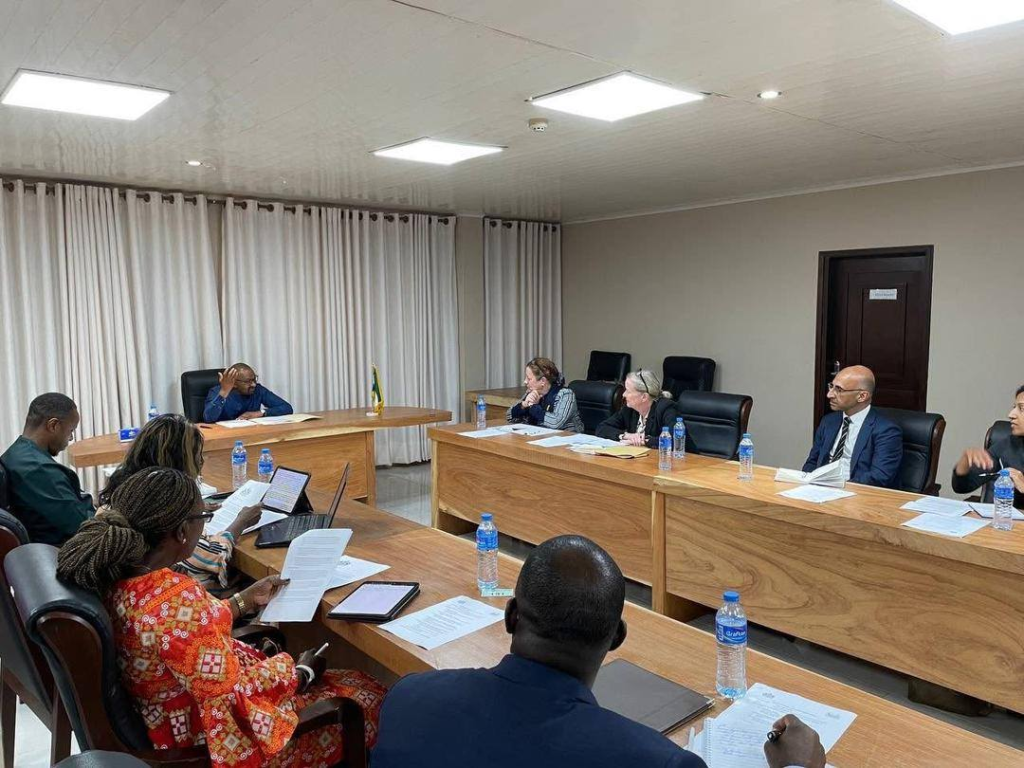
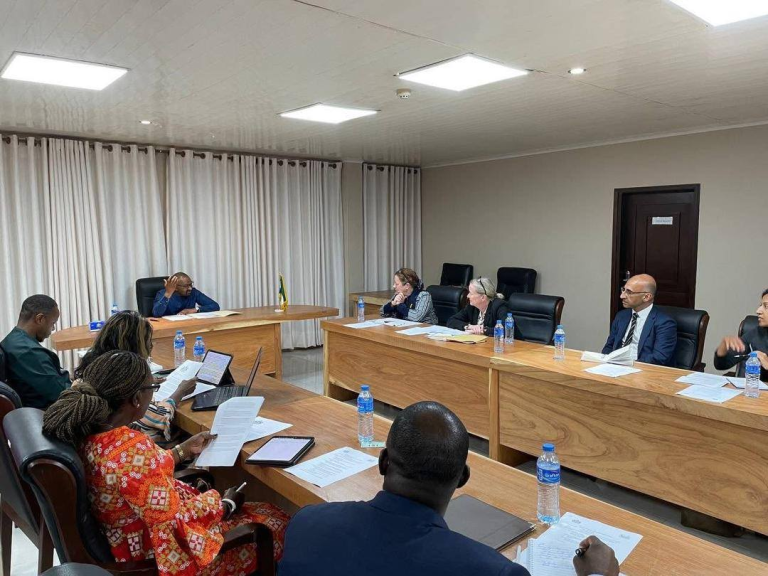
Vice President Mohamed Juldeh Jalloh, a man whose tenure has been defined by a pragmatic, results-oriented approach to governance, sat at the head of a high-level roundtable that may well define the next decade of Sierra Leonean growth. Flanked by the nation’s top economic minds and British High Commissioner Josephine Gauld, Jalloh convened the session to carve out the UK–Sierra Leone Partnership for 2026–2029.
*A Visionary Shift in Cooperation*
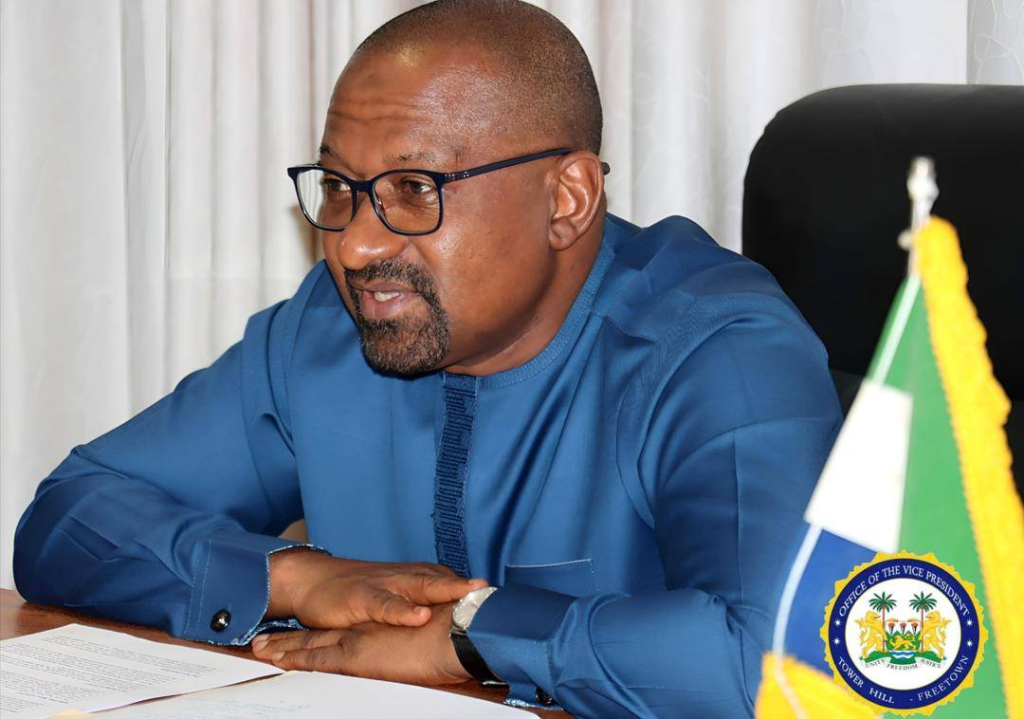
For Jalloh, this wasn’t just another diplomatic check-in; it was a pivot point. As global development models fluctuate, the Vice President has become the leading architect of a “new realism” in West African politics—moving away from the traditional donor-recipient fatigue toward a sophisticated, investment-driven alliance.”The global development landscape is undergoing significant changes that require countries and development partners to rethink traditional models of cooperation,” Jalloh told the delegation.
The Vice President’s focus is razor-sharp: measurable impact. Under his guidance, the partnership is evolving to prioritize “investment readiness” and “sustainable institutional capacity,” ensuring that Sierra Leone isn’t just a destination for aid, but a hub for catalytic capital.
Jalloh acknowledged the UK’s “longstanding contribution” to governance reforms, but he was clear that the next phase must be even more ambitious. He is calling for systems that can drive “long-term economic transformation” through private sector growth and innovation.
*A Strategic Alliance*
The roundtable also featured Chief Minister David Sengeh and Minister of Planning Kenyeh Barlay, who echoed the Vice President’s sentiment that development must reflect “local realities.”
The UK’s new Approach to Africa aligns perfectly with Jalloh’s blueprint. By focusing on systems strengthening and public financial management, the partnership aims to unlock the doors for British businesses to invest in Sierra Leone’s energy and infrastructure sectors.
As the session concluded, the message was clear: Under Vice President Jalloh’s leadership, Sierra Leone is no longer waiting for the world to help; it is inviting the world to build. The 2026–2029 framework marks a transition to a more mature, accountable, and prosperous era—one where the “ordinary Sierra Leonean,” as the Chief Minister noted, sees the impact in their wallet and their community
About the Author