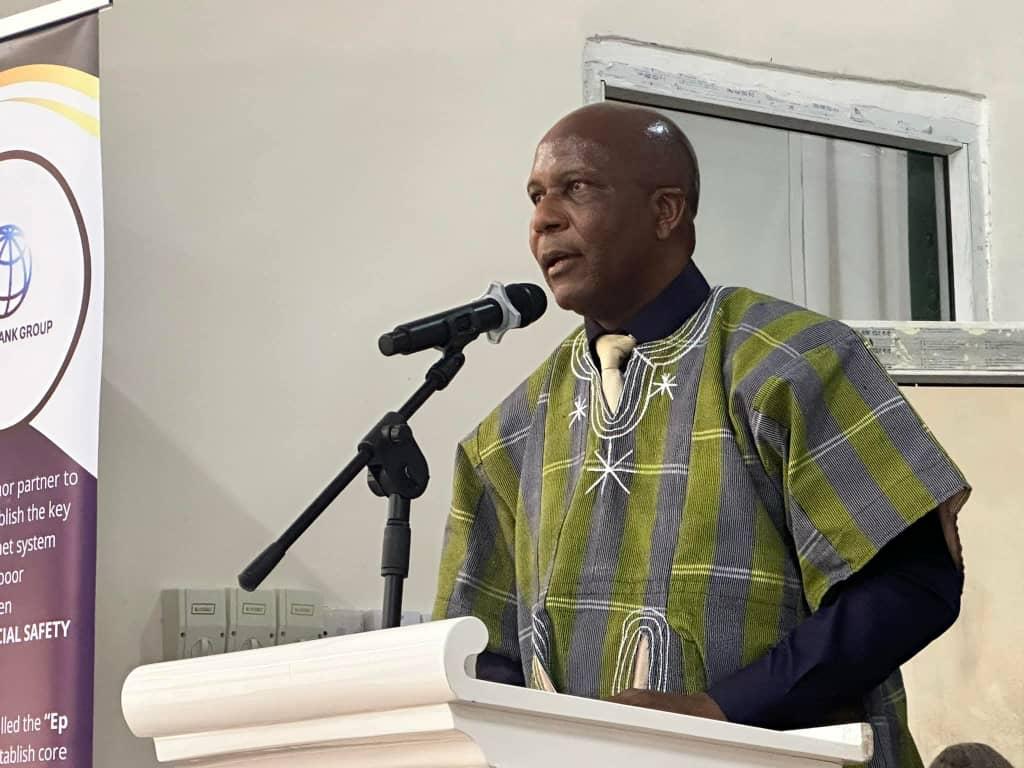
For contributors, employers, pensioners, and stakeholders, the tenure of NASSIT Director General leadership, Mr. Mohamed Fuad Daboh has represented a period of modernization, institutional expansion, accountability, and stronger public engagement. As conversations continue around the future of the Scheme, many voices within and outside the institution believe his experience and leadership are still needed for the continued growth and stability of NASSIT.
Eight Years of Institutional Growth and Reform
Since assuming office eight years ago, the Director General has overseen several reforms and initiatives aimed at strengthening the Scheme and improving service delivery for Sierra Leonean workers and retirees.
Under his leadership, NASSIT has increased public awareness around social security, retirement planning, employer compliance, and workers’ welfare. Through consistent outreach campaigns and stakeholder engagement, many Sierra Leoneans now better understand the importance of social security contributions and long-term protection.
Supporters believe this increased visibility has helped reposition NASSIT as a more responsive and people-centered institution.
Project 54+ and Faster Benefit Processing
Among the notable initiatives associated with his administration is Project 54+, an intervention aimed at improving and accelerating benefit processing for retirees approaching retirement age.
The initiative has been widely recognized for helping reduce delays and encouraging early preparation and documentation for retirement claims. Supporters say the project reflects a leadership approach focused on efficiency, dignity, and timely support for pensioners after years of service to the nation.
For many retirees, faster processing represents more than administration it represents respect for workers who have spent decades contributing to the Scheme.
Expanding Focus on the Informal Sector
Another major area of impact during his leadership has been increased attention toward the informal sector.
Recognizing that a significant percentage of Sierra Leone’s workforce operates outside formal employment structures, his administration has continued promoting inclusion and expanding conversations around social security access for informal workers.
Many observers view this as a critical step toward building a broader and more inclusive national social protection system that reaches market women, traders, transport operators, artisans, and self-employed citizens.
Establishment of District Offices
Supporters also point to the establishment and expansion of district offices as one of the most practical and people-centered developments under his tenure.
By bringing NASSIT services closer to communities across the country, the institution has become more accessible to contributors and beneficiaries outside Freetown. This decentralization effort has reduced travel burdens, improved service access, and strengthened public engagement nationwide.
For many Sierra Leoneans, the presence of district offices symbolizes a commitment to ensuring that social security services are not limited only to urban centers.
Smart Investment and Institutional Sustainability
The Director General’s administration has also been associated with strategic and smart investment approaches aimed at strengthening the long-term sustainability of the Scheme.
Supporters argue that prudent investment decisions are essential for protecting contributors’ funds and ensuring that future retirees continue receiving benefits reliably and sustainably.
Many believe these investment strategies have contributed to strengthening the institution’s financial position and long-term confidence in the Scheme.
Promoting Accountability and Institutional Discipline
Another defining aspect of his leadership has been the emphasis on accountability, transparency, and institutional discipline.
Under his stewardship, NASSIT has continued promoting compliance among employers while reinforcing the importance of timely contribution payments. His administration has consistently emphasized responsible management, stakeholder engagement, and institutional credibility.
For many supporters, accountability has been central to maintaining public trust in one of Sierra Leone’s most important national institutions.
Why Many Believe He Should Continue Serving Beyond 60
As the Director General reaches 60, many stakeholders believe his leadership remains important for the institution’s future.
Supporters argue that the reforms, modernization efforts, and expansion initiatives introduced during his tenure are still evolving and require experienced leadership continuity.
They point to:
• His institutional experience
• Ongoing modernization efforts
• Public confidence in his leadership
• Commitment to workers’ welfare
• Expansion of NASSIT services nationwide
• Vision for inclusive social protection
Many believe leadership should be measured by effectiveness, impact, and continued capacity to serve not simply by age.
A Legacy Still in Motion
As he celebrates his 60th birthday this July, many believe the Director General’s contribution to NASSIT and Sierra Leone’s social security sector continues to grow.
To supporters, the past eight years have reflected vision, reform, accessibility, and institutional progress. From Project 54+ and informal sector inclusion to district office expansion, accountability, and strategic investment, many see his tenure as one that has helped strengthen the relevance and reach of NASSIT across Sierra Leone.
For those advocating for his continued service, the message remains clear: experienced leadership, institutional stability, and a strong vision for workers’ welfare remain essential for the continued advancement of the Scheme and the protection of Sierra Leonean workers for generations to come.
Warning: Attempt to read property "roles" on bool in /home/www/thesatellitenewspapersl.com/wp-content/themes/reviewnews/inc/template-functions.php on line 1229
About the Author