


His Excellency the President, Rtd. Brig. Dr Julius Maada Bio has on Friday 20th November, 2026 officially commissioned eight water ambulances to improve access to emergency healthcare in Sierra Leone’s riverine communities, reaffirming his government’s commitment to reducing maternal, infant and child mortality across the country.
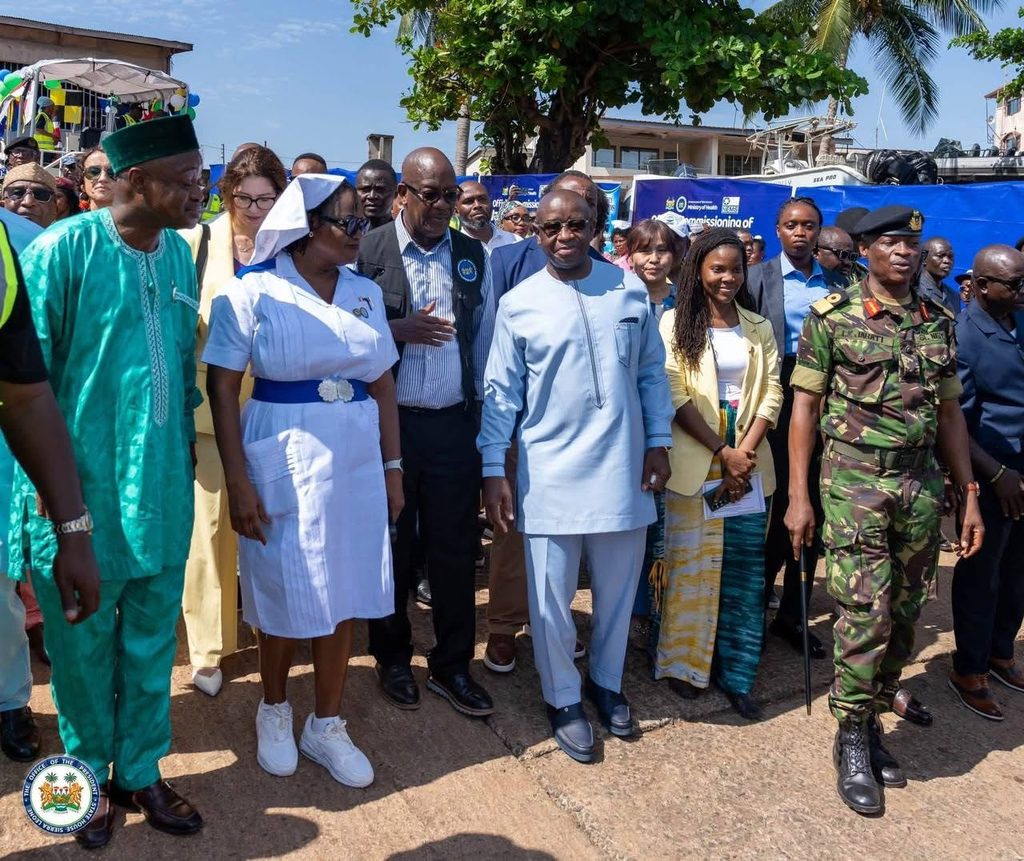
The commissioning ceremony, spearheaded by the Ministry of Health and its partners, marks an important intervention to address the challenges faced by communities where access to healthcare facilities is often constrained by rivers and waterways. The specially equipped vessels are expected to facilitate the transportation of pregnant women, children and other patients requiring urgent medical attention to nearby health facilities.
Speaking at the ceremony, Minister of Health, Dr Austin Demby, thanked the Government of Sierra Leone for investing in the health and wellbeing of its people and acknowledged the contributions of development partners in complementing government efforts.
He described the eight vessels as newly built, durable and specially designed for Sierra Leone’s riverine environment, noting that they are equipped with life-saving medical equipment that will enable healthcare teams to provide emergency assistance during transportation.
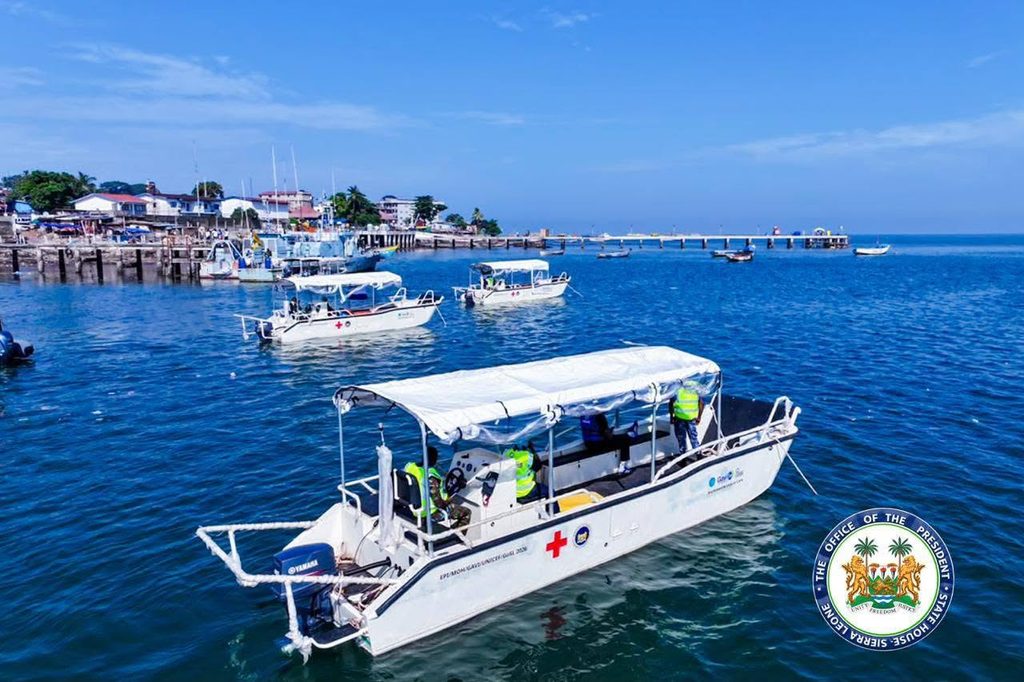
Minister Demby explained that the water ambulances have 85-horsepower engines, modern communication facilities and satellite systems to support rapid emergency responses and coordination with nearby healthcare facilities.
He further disclosed that the vessels would be distributed across riverine communities through Paramount Chiefs and Community Health Officers, who would support their effective monitoring and supervision.
The Minister emphasised that the ambulances would serve pregnant women, children and other patients experiencing medical emergencies, particularly in communities where geographical barriers often delay access to essential healthcare services. He urged communities to make timely contact with the emergency services to ensure that patients receive assistance as quickly as possible.
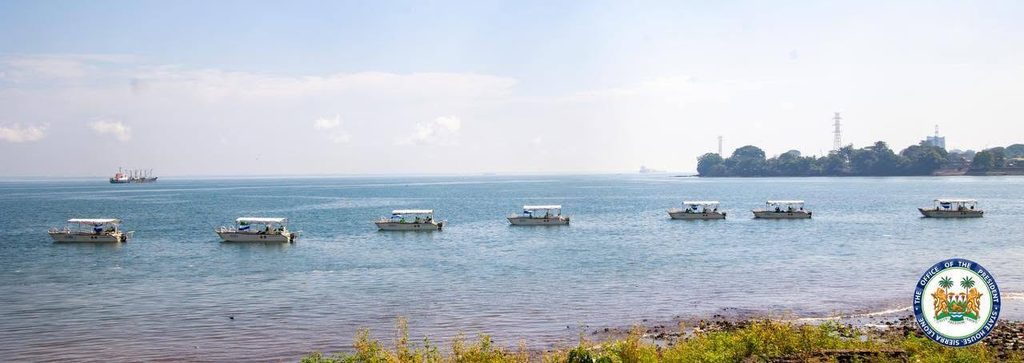
He noted that the intervention would complement existing healthcare services, strengthen emergency referrals and contribute to reducing maternal and other preventable deaths, particularly in underserved riverine communities.
Also speaking, Dr Patricia Bah highlighted the longstanding difficulties associated with healthcare delivery in riverine areas, where both residents and healthcare workers face significant challenges accessing health facilities and providing essential services.
She noted that the introduction of the water ambulances would help address these barriers by improving access to medical care, enabling faster responses to emergencies and supporting the delivery of quality healthcare to previously underserved communities.
The eight water ambulances are expected to strengthen the country’s emergency healthcare response by connecting riverine populations to health facilities, improving patient referrals and ensuring that geographical isolation does not become a barrier to accessing timely medical attention.
Credit: State House Media and Communications Unit
About the Author


