Sierra Leone’s next major political test may not unfold in Parliament or in the courts—but on the streets.
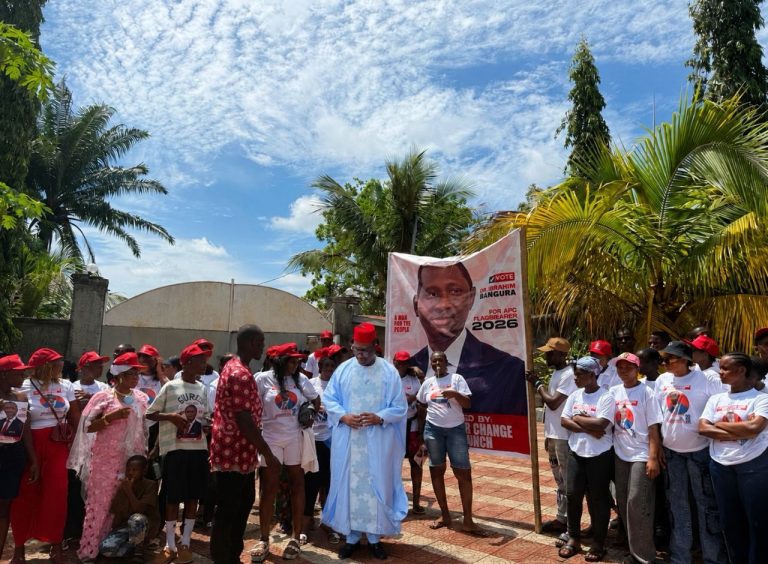
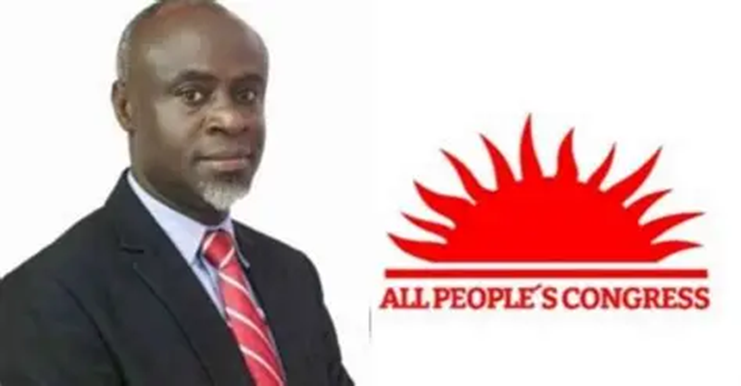
The All People’s Congress (APC) has announced plans for a nationwide peaceful demonstration, though the date is yet to be confirmed. The protest is intended to pressure the government to reverse the appointment of a new Electoral Commissioner, Edmund Alpha, a decision the party strongly opposes.
What might appear as a routine opposition action—mobilising supporters to challenge an executive decision—has quickly evolved into a defining political moment. At its centre is not just a single appointment, but a broader question about trust, reform, and the credibility of electoral institutions ahead of the 2028 elections.
The planned demonstration is not an isolated political event. It represents a strategic escalation by the APC after what it sees as the failure of institutional processes to address its concerns.
Party leaders have taken a firm position: meaningful engagement with the government will only happen if the appointment is reversed. This effectively places the protest at the heart of the party’s political strategy, turning public mobilisation into a tool of pressure.
Notably, this marks a shift in tone. Key figures within the party, previously associated with dialogue and consensus-building in reform processes, are now linking participation in those same processes to a specific political outcome. This suggests that the demonstration is not just about visibility—it is about leverage.
The Underlying Issue: Legitimacy Over Legality
At the core of the protest lies a deeper dispute that goes beyond legal arguments.
While the appointment in question is widely seen as constitutionally valid, the APC’s objection is rooted in legitimacy rather than legality. The party argues that the decision undermines confidence in the electoral system and contradicts the spirit of ongoing reform effort initiated by the trapatite dialogue.
This distinction is critical. Legal authority does not automatically translate into political acceptance. When trust in institutions becomes contested, formal processes alone are often insufficient to resolve the dispute.
The planned demonstration is therefore best understood as an attempt to shift the debate from institutional corridors to public space—where legitimacy is often contested and redefined.
Organisation, Discipline, and Public Scrutiny
As attention turns to the demonstration itself, questions of organisation and execution come into Focus. The APC has a constitutional right to peaceful protest. However, the practical realisation of that right often depends on coordination with law enforcement authorities. It remains to be seen whether the Inspector General of Police will grant permission for the demonstration in the current political climate, or how engagement between the police and the party will unfold in planning such a large-scale event.
This introduces an additional layer of complexity. In contexts of heightened political tension, the relationship between organisers and security forces becomes central—not only in authorisation, but in shaping the conditions under which a protest takes place. Effective communication, clarity on routes and crowd management, and agreed rules of engagement are critical to reducing the risk of confrontation.
At the same time, the impact of the demonstration will depend heavily on internal discipline. Large-scale mobilisation brings inherent risks, particularly in a politically charged environment.
Recent internal party elections, which saw isolated tensions, have raised questions in public discourse about the party’s ability to maintain strict non-violent control during mass gatherings. Scaling internal organisational capacity to a nationwide protest will require careful coordination, trained marshals, clear communication, and effective enforcement mechanisms.
Ultimately, the credibility of the protest will rest not only on its message, but on how both organisers and state authorities manage its execution.
Further more, any demonstration in Sierra Leone carries the weight of recent history. Past protests have, at times, escalated into violence, leaving lasting social and political scars. These memories shape both public expectations and state responses, creating a fragile backdrop for any new mobilisation.
This context increases the stakes. A peaceful and well-managed protest could strengthen democratic engagement. A breakdown in order, however, risks reinforcing cycles of mistrust and instability.
By centring its position on a single demand, the APC has achieved clarity in its messaging. The objective is clear, and the demonstration reinforces that clarity. However, this approach also limits flexibility. If the demand is not met, the party faces difficult choices: escalate pressure, return to dialogue under new terms, or risk prolonged political deadlock.
In this sense, the demonstration is both a show of strength and a strategic gamble.
A Defining Moment on the Streets
If and when the protest takes place, its significance will go beyond turnout or immediate outcomes. For the APC, it is an opportunity to demonstrate organisational strength and public support. For the government, it is a test of restraint and its ability to manage dissent without escalation.
More broadly, it is a test of Sierra Leone’s democratic resilience—of whether political disputes can be expressed through peaceful means. It represents more than a political tactic—it is a pivotal moment in the evolving relationship between institutional authority and public legitimacy in Sierra Leone.
At its core, the protest reflects a shift from procedural contestation to political confrontation in the public sphere. When disputes move beyond courts and committees into the streets, outcomes are no longer determined solely by legal reasoning or formal negotiation, but by perception, mobilisation, and the management of risk.This raises a critical analytical point: demonstrations of this nature do not resolve legitimacy crises—they expose and amplify them. Whether that exposure leads to constructive recalibration or deeper instability depends on the behaviour of all actors involved.
For the APC, the challenge is to convert mobilisation into disciplined, credible democratic expression. For the state, the test lies in responding with proportionality and restraint, avoiding actions that could validate the very concerns being protested.
The absence of a confirmed date adds a layer of uncertainty, but not irrelevance. The political signal has already been sent. Expectations are forming, positions are hardening, and the space for compromise may be narrowing. Ultimately, the demonstration will not, in itself, determine the trajectory of Sierra Leone’s democracy. But how it is organised, authorised, and managed will shape the environment in which future political engagement unfolds.
The question, therefore, is not simply whether the protest will occur—but whether it will function as a credible instrument of democratic pressure or become a catalyst for further political fragmentation.
Credit: Tejan Lamboi is journalist, researcher and diversity expert based in Berlin, GermanySierra Leone’s next major political test may not unfold in Parliament or in the courts—but on the streets.
The All People’s Congress (APC) has announced plans for a nationwide peaceful demonstration, though the date is yet to be confirmed. The protest is intended to pressure the government to reverse the appointment of a new Electoral Commissioner, Edmund Alpha, a decision the party strongly opposes.
What might appear as a routine opposition action—mobilising supporters to challenge an executive decision—has quickly evolved into a defining political moment. At its centre is not just a single appointment, but a broader question about trust, reform, and the credibility of electoral institutions ahead of the 2028 elections.
The planned demonstration is not an isolated political event. It represents a strategic escalation by the APC after what it sees as the failure of institutional processes to address its concerns.
Party leaders have taken a firm position: meaningful engagement with the government will only happen if the appointment is reversed. This effectively places the protest at the heart of the party’s political strategy, turning public mobilisation into a tool of pressure.
Notably, this marks a shift in tone. Key figures within the party, previously associated with dialogue and consensus-building in reform processes, are now linking participation in those same processes to a specific political outcome. This suggests that the demonstration is not just about visibility—it is about leverage.
The Underlying Issue: Legitimacy Over Legality
At the core of the protest lies a deeper dispute that goes beyond legal arguments.
While the appointment in question is widely seen as constitutionally valid, the APC’s objection is rooted in legitimacy rather than legality. The party argues that the decision undermines confidence in the electoral system and contradicts the spirit of ongoing reform effort initiated by the trapatite dialogue.
This distinction is critical. Legal authority does not automatically translate into political acceptance. When trust in institutions becomes contested, formal processes alone are often insufficient to resolve the dispute.
The planned demonstration is therefore best understood as an attempt to shift the debate from institutional corridors to public space—where legitimacy is often contested and redefined.
Organisation, Discipline, and Public Scrutiny
As attention turns to the demonstration itself, questions of organisation and execution come into Focus. The APC has a constitutional right to peaceful protest. However, the practical realisation of that right often depends on coordination with law enforcement authorities. It remains to be seen whether the Inspector General of Police will grant permission for the demonstration in the current political climate, or how engagement between the police and the party will unfold in planning such a large-scale event.
This introduces an additional layer of complexity. In contexts of heightened political tension, the relationship between organisers and security forces becomes central—not only in authorisation, but in shaping the conditions under which a protest takes place. Effective communication, clarity on routes and crowd management, and agreed rules of engagement are critical to reducing the risk of confrontation.
At the same time, the impact of the demonstration will depend heavily on internal discipline. Large-scale mobilisation brings inherent risks, particularly in a politically charged environment.
Recent internal party elections, which saw isolated tensions, have raised questions in public discourse about the party’s ability to maintain strict non-violent control during mass gatherings. Scaling internal organisational capacity to a nationwide protest will require careful coordination, trained marshals, clear communication, and effective enforcement mechanisms.
Ultimately, the credibility of the protest will rest not only on its message, but on how both organisers and state authorities manage its execution.
Further more, any demonstration in Sierra Leone carries the weight of recent history. Past protests have, at times, escalated into violence, leaving lasting social and political scars. These memories shape both public expectations and state responses, creating a fragile backdrop for any new mobilisation.
This context increases the stakes. A peaceful and well-managed protest could strengthen democratic engagement. A breakdown in order, however, risks reinforcing cycles of mistrust and instability.
By centring its position on a single demand, the APC has achieved clarity in its messaging. The objective is clear, and the demonstration reinforces that clarity. However, this approach also limits flexibility. If the demand is not met, the party faces difficult choices: escalate pressure, return to dialogue under new terms, or risk prolonged political deadlock.
In this sense, the demonstration is both a show of strength and a strategic gamble.
A Defining Moment on the Streets
If and when the protest takes place, its significance will go beyond turnout or immediate outcomes. For the APC, it is an opportunity to demonstrate organisational strength and public support. For the government, it is a test of restraint and its ability to manage dissent without escalation.
More broadly, it is a test of Sierra Leone’s democratic resilience—of whether political disputes can be expressed through peaceful means. It represents more than a political tactic—it is a pivotal moment in the evolving relationship between institutional authority and public legitimacy in Sierra Leone.
At its core, the protest reflects a shift from procedural contestation to political confrontation in the public sphere. When disputes move beyond courts and committees into the streets, outcomes are no longer determined solely by legal reasoning or formal negotiation, but by perception, mobilisation, and the management of risk.This raises a critical analytical point: demonstrations of this nature do not resolve legitimacy crises—they expose and amplify them. Whether that exposure leads to constructive recalibration or deeper instability depends on the behaviour of all actors involved.
For the APC, the challenge is to convert mobilisation into disciplined, credible democratic expression. For the state, the test lies in responding with proportionality and restraint, avoiding actions that could validate the very concerns being protested.
The absence of a confirmed date adds a layer of uncertainty, but not irrelevance. The political signal has already been sent. Expectations are forming, positions are hardening, and the space for compromise may be narrowing. Ultimately, the demonstration will not, in itself, determine the trajectory of Sierra Leone’s democracy. But how it is organised, authorised, and managed will shape the environment in which future political engagement unfolds.
The question, therefore, is not simply whether the protest will occur—but whether it will function as a credible instrument of democratic pressure or become a catalyst for further political fragmentation.
Credit: Tejan Lamboi is journalist, researcher and diversity expert based in Berlin, Germany
Sierra Leone’s next major political test may not unfold in Parliament or in the courts—but on the streets.
The All People’s Congress (APC) has announced plans for a nationwide peaceful demonstration, though the date is yet to be confirmed. The protest is intended to pressure the government to reverse the appointment of a new Electoral Commissioner, Edmund Alpha, a decision the party strongly opposes.
What might appear as a routine opposition action—mobilising supporters to challenge an executive decision—has quickly evolved into a defining political moment. At its centre is not just a single appointment, but a broader question about trust, reform, and the credibility of electoral institutions ahead of the 2028 elections.
The planned demonstration is not an isolated political event. It represents a strategic escalation by the APC after what it sees as the failure of institutional processes to address its concerns.
Party leaders have taken a firm position: meaningful engagement with the government will only happen if the appointment is reversed. This effectively places the protest at the heart of the party’s political strategy, turning public mobilisation into a tool of pressure.
Notably, this marks a shift in tone. Key figures within the party, previously associated with dialogue and consensus-building in reform processes, are now linking participation in those same processes to a specific political outcome. This suggests that the demonstration is not just about visibility—it is about leverage.
The Underlying Issue: Legitimacy Over Legality
At the core of the protest lies a deeper dispute that goes beyond legal arguments.
While the appointment in question is widely seen as constitutionally valid, the APC’s objection is rooted in legitimacy rather than legality. The party argues that the decision undermines confidence in the electoral system and contradicts the spirit of ongoing reform effort initiated by the trapatite dialogue.
This distinction is critical. Legal authority does not automatically translate into political acceptance. When trust in institutions becomes contested, formal processes alone are often insufficient to resolve the dispute.
The planned demonstration is therefore best understood as an attempt to shift the debate from institutional corridors to public space—where legitimacy is often contested and redefined.
Organisation, Discipline, and Public Scrutiny
As attention turns to the demonstration itself, questions of organisation and execution come into Focus. The APC has a constitutional right to peaceful protest. However, the practical realisation of that right often depends on coordination with law enforcement authorities. It remains to be seen whether the Inspector General of Police will grant permission for the demonstration in the current political climate, or how engagement between the police and the party will unfold in planning such a large-scale event.
This introduces an additional layer of complexity. In contexts of heightened political tension, the relationship between organisers and security forces becomes central—not only in authorisation, but in shaping the conditions under which a protest takes place. Effective communication, clarity on routes and crowd management, and agreed rules of engagement are critical to reducing the risk of confrontation.
At the same time, the impact of the demonstration will depend heavily on internal discipline. Large-scale mobilisation brings inherent risks, particularly in a politically charged environment.
Recent internal party elections, which saw isolated tensions, have raised questions in public discourse about the party’s ability to maintain strict non-violent control during mass gatherings. Scaling internal organisational capacity to a nationwide protest will require careful coordination, trained marshals, clear communication, and effective enforcement mechanisms.
Ultimately, the credibility of the protest will rest not only on its message, but on how both organisers and state authorities manage its execution.
Further more, any demonstration in Sierra Leone carries the weight of recent history. Past protests have, at times, escalated into violence, leaving lasting social and political scars. These memories shape both public expectations and state responses, creating a fragile backdrop for any new mobilisation.
This context increases the stakes. A peaceful and well-managed protest could strengthen democratic engagement. A breakdown in order, however, risks reinforcing cycles of mistrust and instability.
By centring its position on a single demand, the APC has achieved clarity in its messaging. The objective is clear, and the demonstration reinforces that clarity. However, this approach also limits flexibility. If the demand is not met, the party faces difficult choices: escalate pressure, return to dialogue under new terms, or risk prolonged political deadlock.
In this sense, the demonstration is both a show of strength and a strategic gamble.
A Defining Moment on the Streets
If and when the protest takes place, its significance will go beyond turnout or immediate outcomes. For the APC, it is an opportunity to demonstrate organisational strength and public support. For the government, it is a test of restraint and its ability to manage dissent without escalation.
More broadly, it is a test of Sierra Leone’s democratic resilience—of whether political disputes can be expressed through peaceful means. It represents more than a political tactic—it is a pivotal moment in the evolving relationship between institutional authority and public legitimacy in Sierra Leone.
At its core, the protest reflects a shift from procedural contestation to political confrontation in the public sphere. When disputes move beyond courts and committees into the streets, outcomes are no longer determined solely by legal reasoning or formal negotiation, but by perception, mobilisation, and the management of risk.This raises a critical analytical point: demonstrations of this nature do not resolve legitimacy crises—they expose and amplify them. Whether that exposure leads to constructive recalibration or deeper instability depends on the behaviour of all actors involved.
For the APC, the challenge is to convert mobilisation into disciplined, credible democratic expression. For the state, the test lies in responding with proportionality and restraint, avoiding actions that could validate the very concerns being protested.
The absence of a confirmed date adds a layer of uncertainty, but not irrelevance. The political signal has already been sent. Expectations are forming, positions are hardening, and the space for compromise may be narrowing. Ultimately, the demonstration will not, in itself, determine the trajectory of Sierra Leone’s democracy. But how it is organised, authorised, and managed will shape the environment in which future political engagement unfolds.
The question, therefore, is not simply whether the protest will occur—but whether it will function as a credible instrument of democratic pressure or become a catalyst for further political fragmentation.
Credit: Tejan Lamboi is journalist, researcher and diversity expert based in Berlin, Germany
About the Author